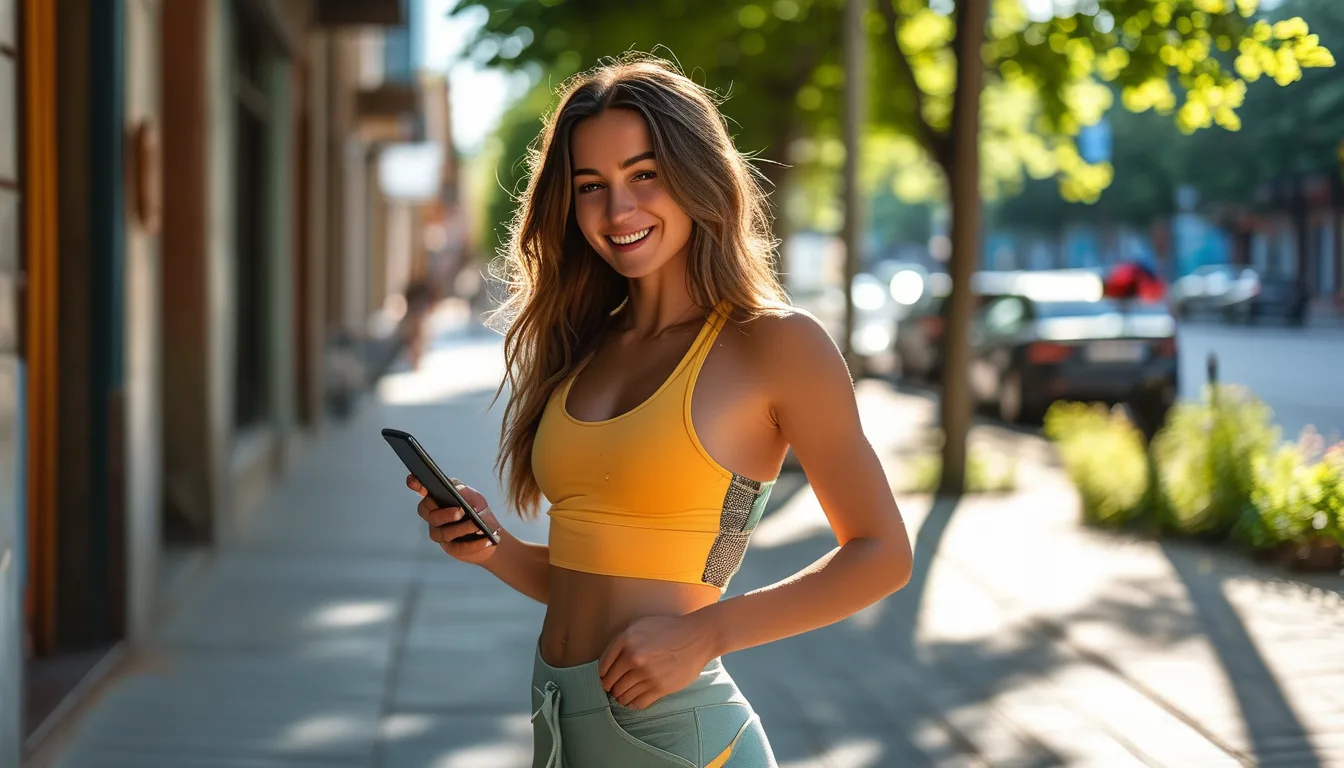
Why Keys and Cards Fail in Pockets That Hold a Phone Fine
Quick Answer: A phone stays put because it is large, flat, and heavy enough to press itself against the fabric, creating friction across a wide surface. Keys and cards fail for opposite reasons — keys are small and rigid with sharp edges that let them work through gaps, and cards are light and slippery with almost no weight to hold them in place. Pocket size is rarely the problem. Item shape, weight, and surface friction are.
Once you know which failure mode you are dealing with, the fix is usually a five-second change in how you load the pocket.

Why does a heavy phone stay and a light card escape?
Because friction depends on how hard the item presses against the fabric, and a card presses almost not at all.
A phone in a stretch pocket does two useful things. Its weight pulls it down against the bottom seam, and its flat surface area contacts a large amount of fabric. The compression of the stretch fabric against a wide flat object creates a large amount of grip, which is why a phone that fits snugly can survive a run despite being the heaviest thing you are carrying.
A card does neither. It weighs a few grams, so it presses against the fabric with almost no force. Its surface is smooth plastic against smooth technical fabric, which is one of the lowest-friction pairings you can create. And because it is thin, the pocket does not stretch around it at all — the fabric stays relaxed, applying no compression.
The result is a card sitting in a loose fabric envelope with nothing holding it. Any motion that opens the pocket mouth — a stride, a bend, sitting down — gives it a route out.
Keys fail differently. A key ring is rigid, irregular, and concentrated in a small area, so it produces high pressure at a few points and no grip anywhere else. Those points migrate. Over a walk, a key ring will work its way to whichever corner of the pocket is lowest, and if that corner is near the opening, it leaves.
Same pocket, three completely different physics problems.
Which pocket types fail with which items?
The pattern is consistent enough to plan around.
Side thigh pockets are the best case for a phone and the worst for a card. They sit against a surface that moves a lot, and the opening tends to face slightly forward, which is the direction a card wants to travel when you sit.
Waistband pockets — the horizontal slot at the back or side of the waistband — are the reverse. They hold cards and keys well because the opening faces up and the fabric is under tension from the waistband itself. They handle phones poorly because the weight sits high, bounces, and drags the waistband down.
Hidden interior waistband pockets, the small pouch inside the front of the band, are excellent for a single flat key or a card and useless for anything with thickness, since the item ends up pressing into your abdomen.
Back zip pockets are the only genuinely secure option, and the constraint there is that anything rigid becomes uncomfortable when you sit.
The practical takeaway is that most leggings have exactly one pocket that suits each item type, and people default to putting everything in the biggest one. A phone in the thigh pocket and a card in the waistband pocket is a more reliable arrangement than both in the thigh pocket, even though the thigh pocket is larger.

What Nobody Tells You About Pocket Security
The pocket opening width matters more than the pocket depth. A deep pocket with a wide relaxed mouth loses items faster than a shallow one with a narrow, elastic opening. When shopping, stretch the opening and see whether it recovers — if it stays gaping, it will gape when worn.
Fabric that is soft against skin is usually slippery against plastic. The buttery hand-feel that sells a legging comes from a fine yarn and a smooth face, and those are exactly the properties that reduce grip on a card or a key fob. There is a real trade-off here, and it is rarely mentioned.
Items escape while you are sitting, not while you are moving. Sitting rotates the thigh and opens the pocket mouth in the direction of gravity. The overwhelming majority of lost-item reports trace back to a car seat, a bench, or a chair, not a run.
A key ring is more secure than a single key. The ring gives the ring itself something to catch on at the fabric, and it is easier to feel. A single loose key is the most reliable item to lose in any pocket, anywhere.
Two items in one pocket are more secure than one. They press against each other and against the fabric, which raises friction for both. A card tucked flat against a phone almost never travels — it is a card alone that goes missing.
How should you load pockets for a late summer walk or errand run?
By item, not by convenience.
Phone: thigh pocket, screen facing your leg. The flat side against skin-side fabric gives more contact area, and it keeps the camera lens away from the outer fabric.
Card: flat against the phone in the same pocket, or in the waistband pocket. Never alone in a large pocket. If you carry only a card and no phone, use the waistband slot every time.
Keys: waistband pocket if it exists, otherwise clipped. A small carabiner through a belt loop or waistband keeps a key ring from migrating, and it removes the item most likely to poke you during a hip hinge.
Earbuds case: this is the item people underestimate. It is light, rounded, and slippery — closer to a card than a phone in behavior, despite looking substantial. Treat it as a high-risk item.
In late summer specifically, there is a heat variable worth knowing. Warm, slightly damp fabric grips better when it is against skin and worse when it is not. A sweaty thigh actually improves phone retention in a side pocket, while a humid waistband loosens slightly and can let a light item shift. If you are walking in heat and carrying only a card, the waistband slot that works perfectly in October is less reliable in August.
The fifteen-second habit that solves most of this: after you sit down anywhere, pat the pocket before you stand up. Almost every lost item is left on the seat you just left.
FAQ: Legging Pocket Questions, Answered
Will a bigger pocket hold my keys better?
Usually the opposite. A larger pocket lets a small rigid item move around and find the exit. For keys, a snug small pocket beats a roomy large one every time.
Do zip pockets solve everything?
They solve retention completely and introduce a comfort problem. A zip pocket with keys inside is fine standing and uncomfortable sitting, so it works well for running and poorly for a commute.
Why did my pocket start losing things after a few months?
Repeated stretching at the opening relaxes the fabric there first. If your phone used to stay and now shifts, the pocket mouth has widened, and that is not something washing recovers.
TL;DR:
- Phones stay because their weight and flat surface create friction across a lot of fabric; cards and keys create almost none.
- Thigh pockets suit phones, waistband pockets suit cards and keys — most people put everything in the biggest pocket instead.
- Items escape while you sit, not while you move, and two items in one pocket hold better than one.
- Pocket opening width predicts retention better than pocket depth does.
Try pairing your card flat against your phone on the next walk. It is the least effortful fix on this list and it stops the most common loss.
See It in Motion
Seen here: High Waist Yoga Leggings with Side Pockets — shop it on bubblelime.com
Keep Reading
This article is for general informational and styling purposes only. Fit, sizing, and product availability may vary.